Review of Human Rights Day 2025
Freedom, facts, fakes. This was the motto of the VMR's event on Human Rights Day, December 10.
On December 10, 1948, 77 years ago, the Universal Declaration of Human Rights was adopted by the United Nations General Assembly and forms the basis for practically all international human rights conventions. Its content is as relevant today as it was then.
As a national human rights institution, the Association for Human Rights in Liechtenstein (VMR) therefore organizes an annual event on a specific human right on Human Rights Day. This year it is freedom of expression and information, mentioned in Article 19 of the Universal Declaration of Human Rights:
"Everyone has the right to freedom of opinion and expression; this right includes freedom to hold opinions without interference and to seek, receive and impart information and ideas through any media and regardless of frontiers."
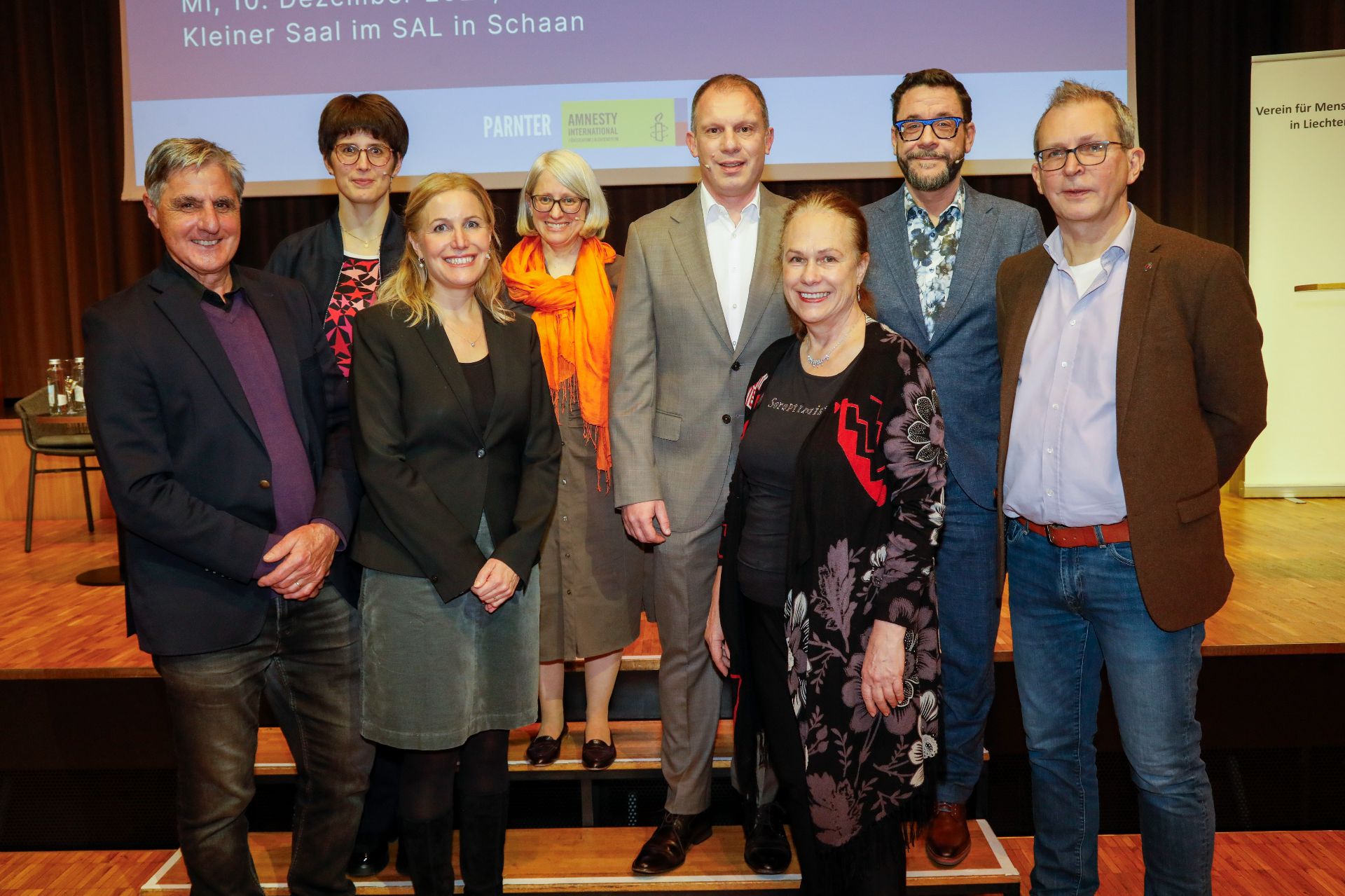
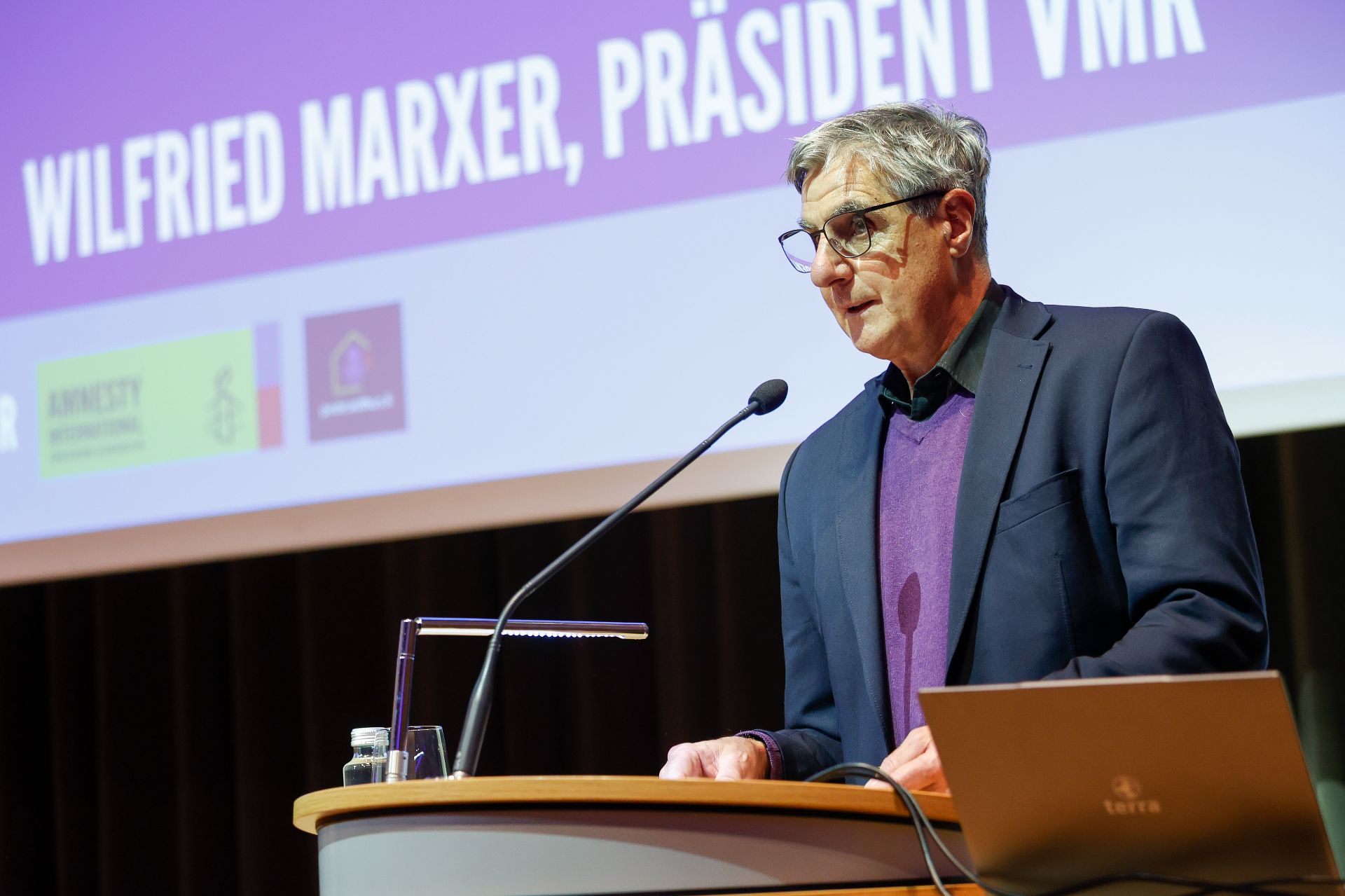
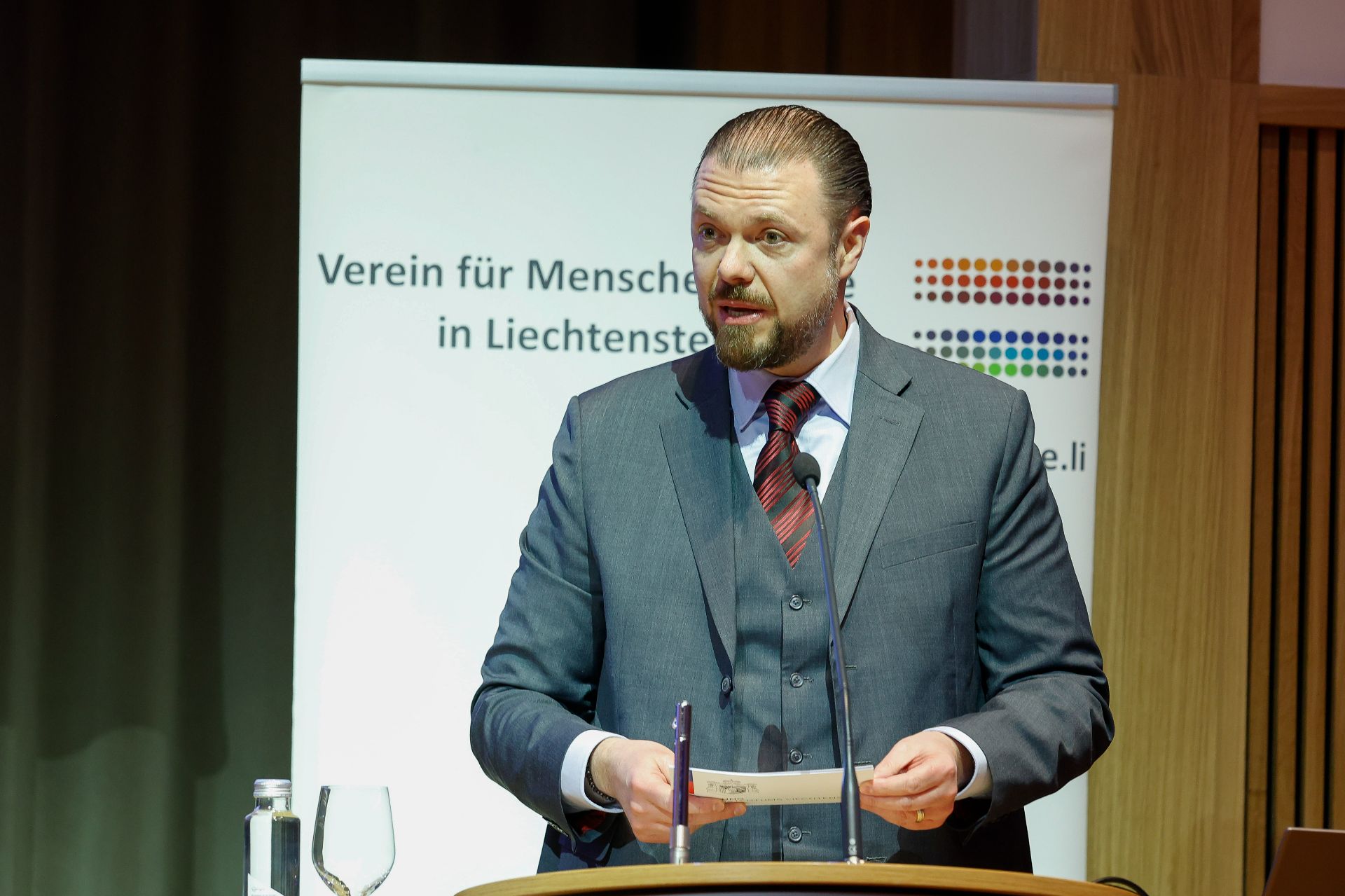
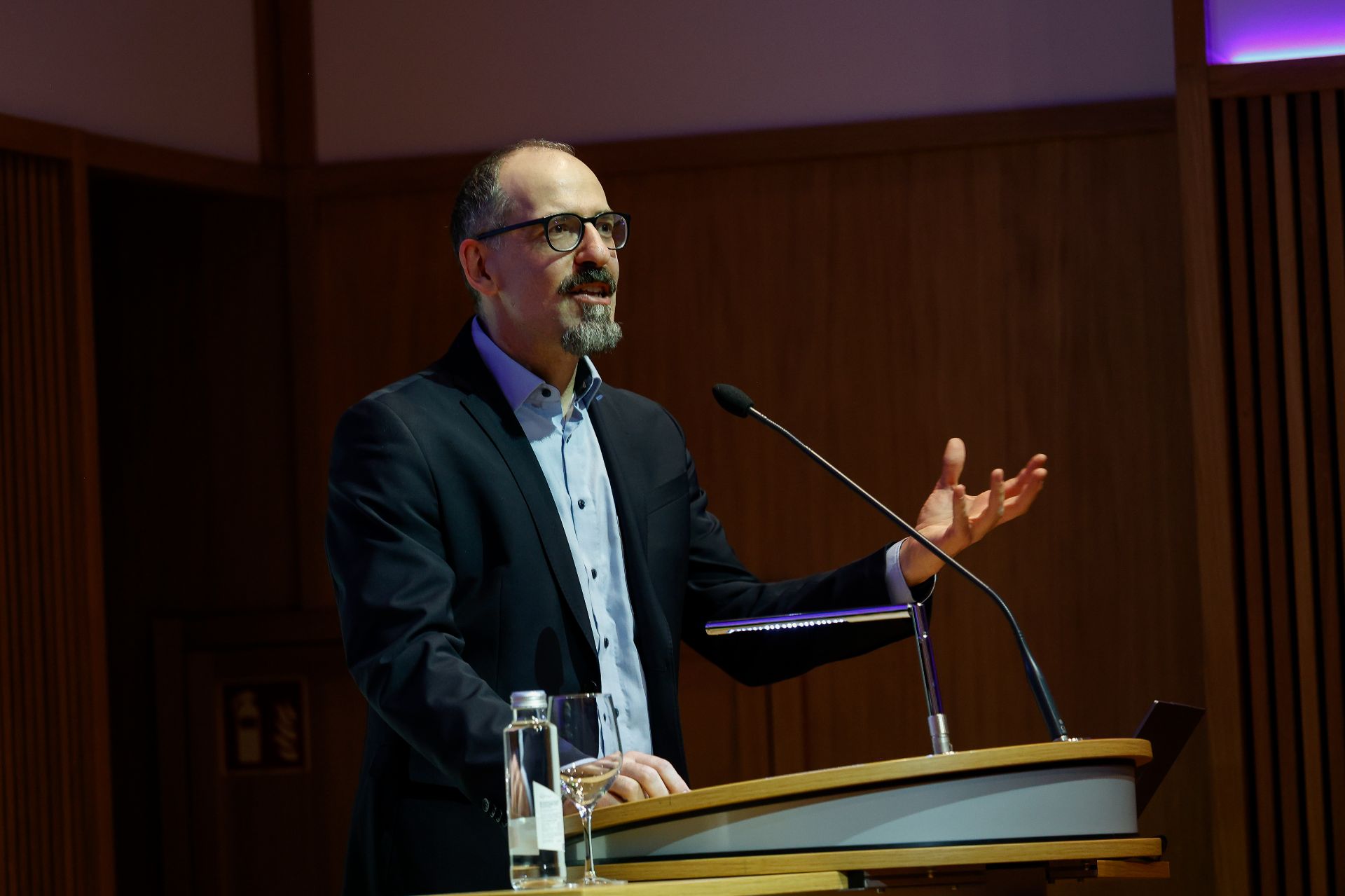
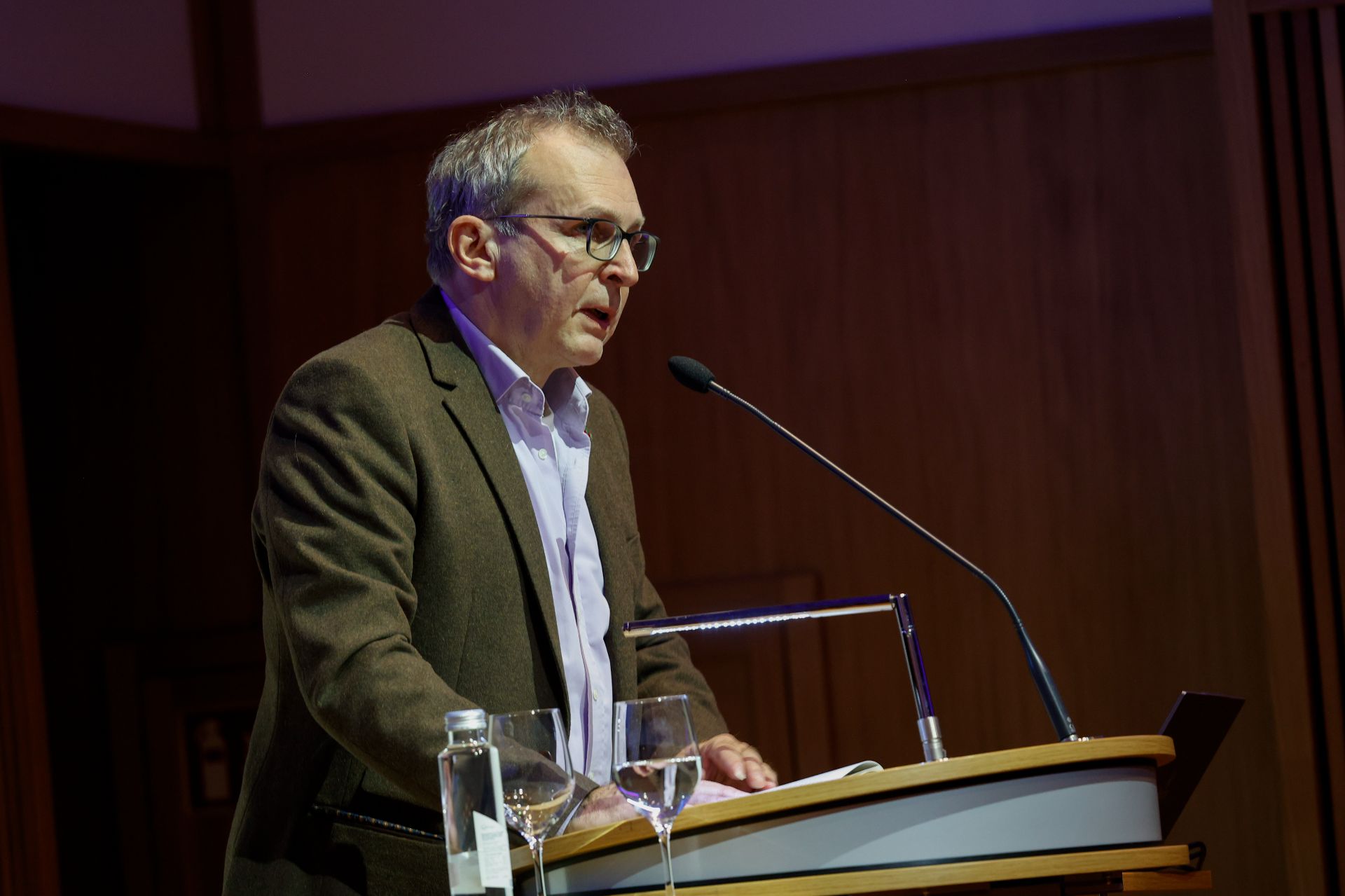
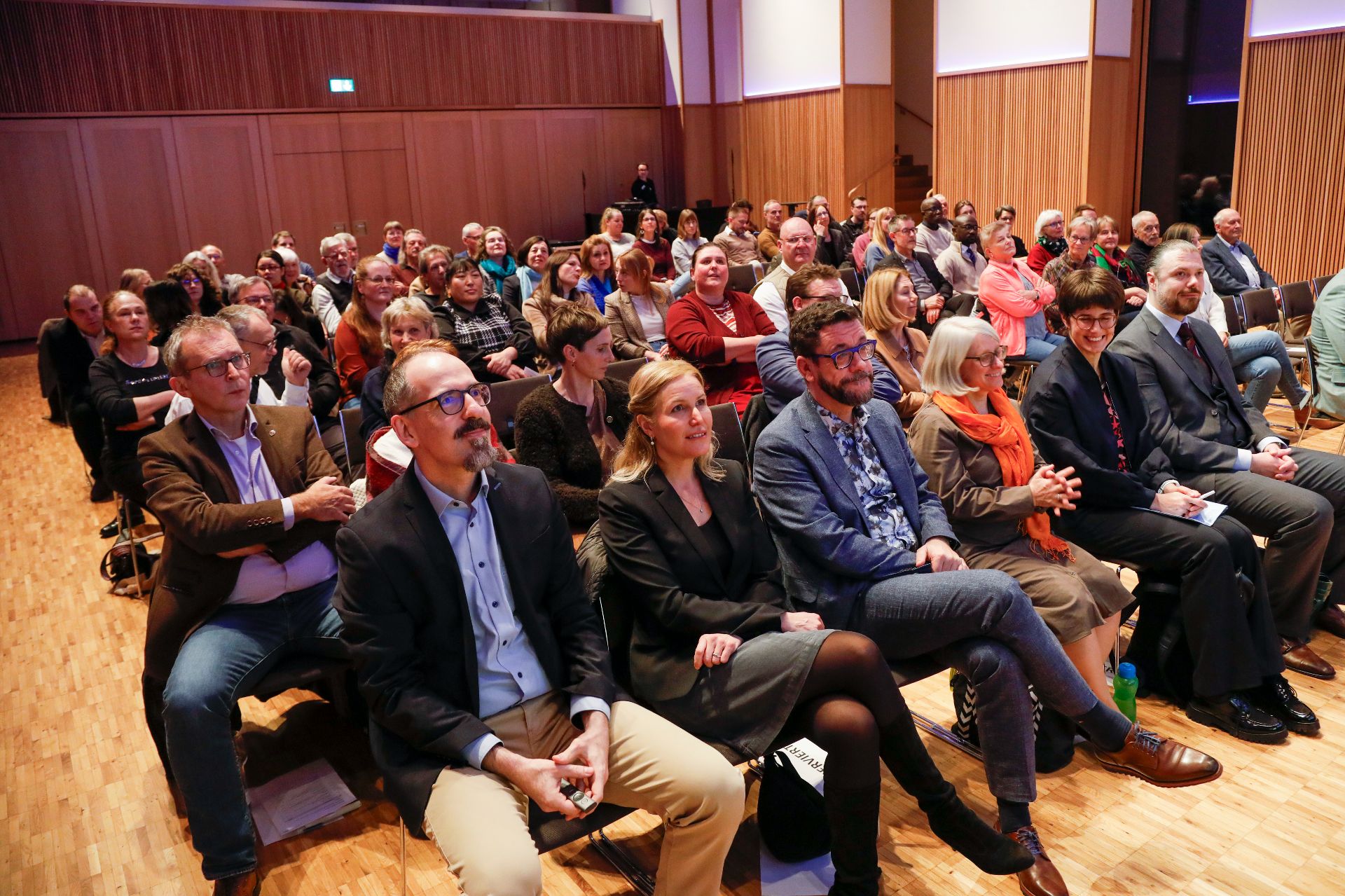
VMR President Wilfried Marxer opened the event in the packed small hall of the SAL in Schaan and handed over to Government Councillor Emanuel Schädler for the welcoming address. Raphaela Cueni then introduced the topic in a keynote speech. She is Assistant Professor of Administrative Law at the University of St. Gallen with a research focus on fundamental communication rights and President of the Swiss Human Rights Institution.
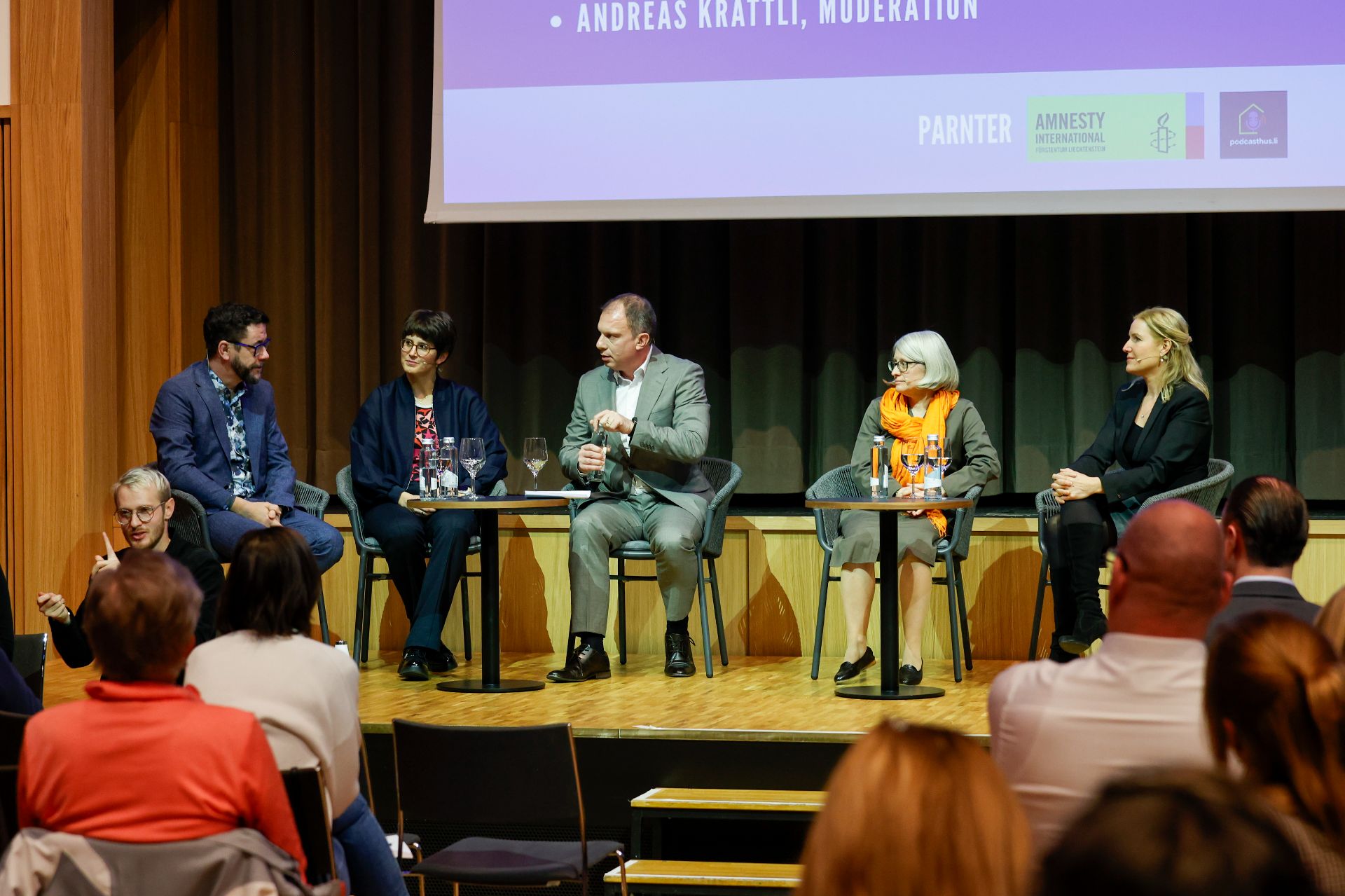
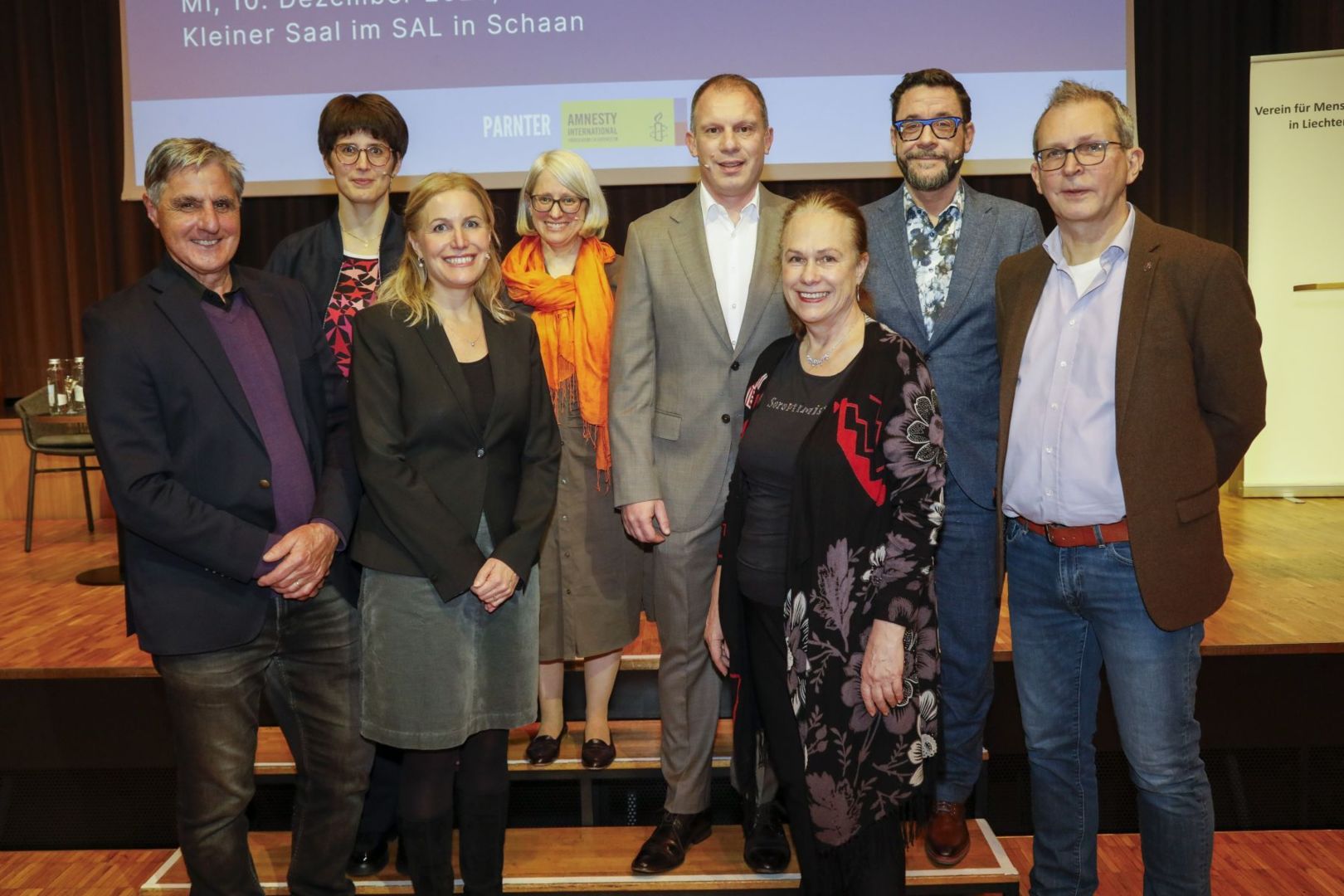
She then took part in a panel discussion with three other experts from Liechtenstein: Doris Quaderer, former editor-in-chief of the Liechtensteiner Volksblatt, former editor of Radio Liechtenstein and now at the Stiftung Lebenswertes Liechtenstein, Patrik Schädler, former editor-in-chief of the Liechtensteiner Vaterland and now at the University of Liechtenstein, and Patricia Schiess from the Liechtenstein Institute. Andreas Krättli, himself a former editor at Radio Liechtenstein and Managing Director of Podcasthus, moderated the discussion.
Art - literature, theater, music - has always been indispensable for the development of freedom of expression and the creation of a critical public sphere. It courageously expresses the uncomfortable, questions social conventions and political systems and initiates social change. Mathias Ospelt, President of the PEN Club Liechtenstein, took on this role with three literary contributions.
Following the official part of the event, guests had the opportunity to discuss freedom of expression and information over an aperitif. As every year, Amnesty Liechtenstein was also represented, once again drawing attention to letter-writing campaigns and collecting donations for its human rights work by selling peace candles.
The key question of the evening was: How can freedom of expression and information be strengthened in view of the challenges worldwide and in Liechtenstein? Freedom of expression presupposes that people participate in discourse and are also open to the arguments of others. However, this also means being able to tolerate contradiction and criticism. However, access to information in order to form an opinion is becoming more difficult due to an increasing flood of information. Media professionals therefore have an important role to play in categorizing and processing information. In Liechtenstein in particular, there is now a broad debate on how media diversity can be improved and whether public service broadcasting is needed again. At the same time, the state has the task of making government information not only public, but also accessible. This also includes accessibility. At least this was ensured at the event through the use of sign language interpreters.
Reporting:
Reporting Liechtensteiner Vaterland - front page
Reporting Liechtensteiner Vaterland - page 5
Picture gallery (Photos: Paul Trummer)